Kudret-i NefesAcademy

İlim, Bilim, Gönül

We bring the breath wisdom of Anatolia alongside the science of today. If you're curious about our roots, what we've learned and how we built this school, come on in.

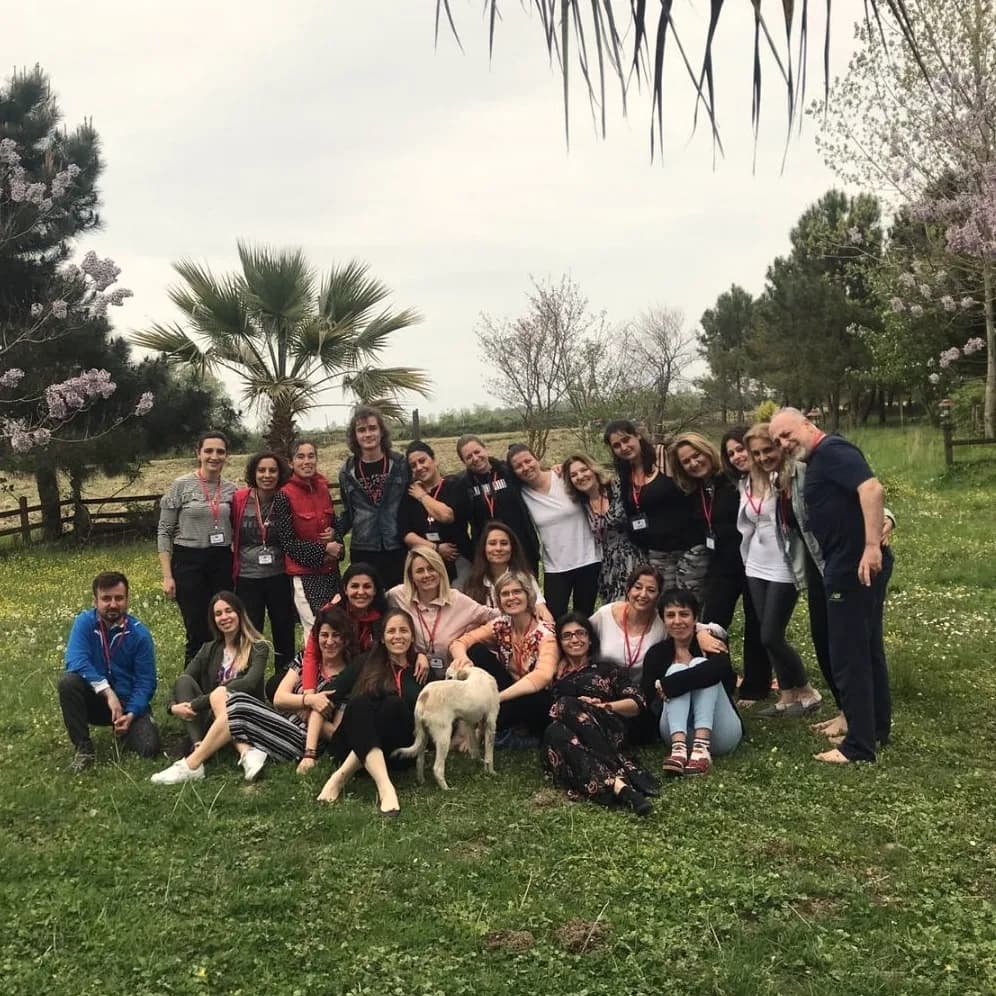
A smiling group posing together on the grass in a garden with palm trees

An evening of chestnuts

On 6 November 2017, five friends gathered at a summer house in Yakakent, Alaçam, to enjoy the autumn, talk and catch up. Another friend who happened to be passing through joined them. There was hot soup and a variety of dishes, and as the evening settled in, chestnuts after dinner. They began sharing their dreams: a farm surrounded by nature, a place where people could feel free at the weekend, with cats and dogs playing in the garden, yoga on the grass and a beautiful room for breathwork.

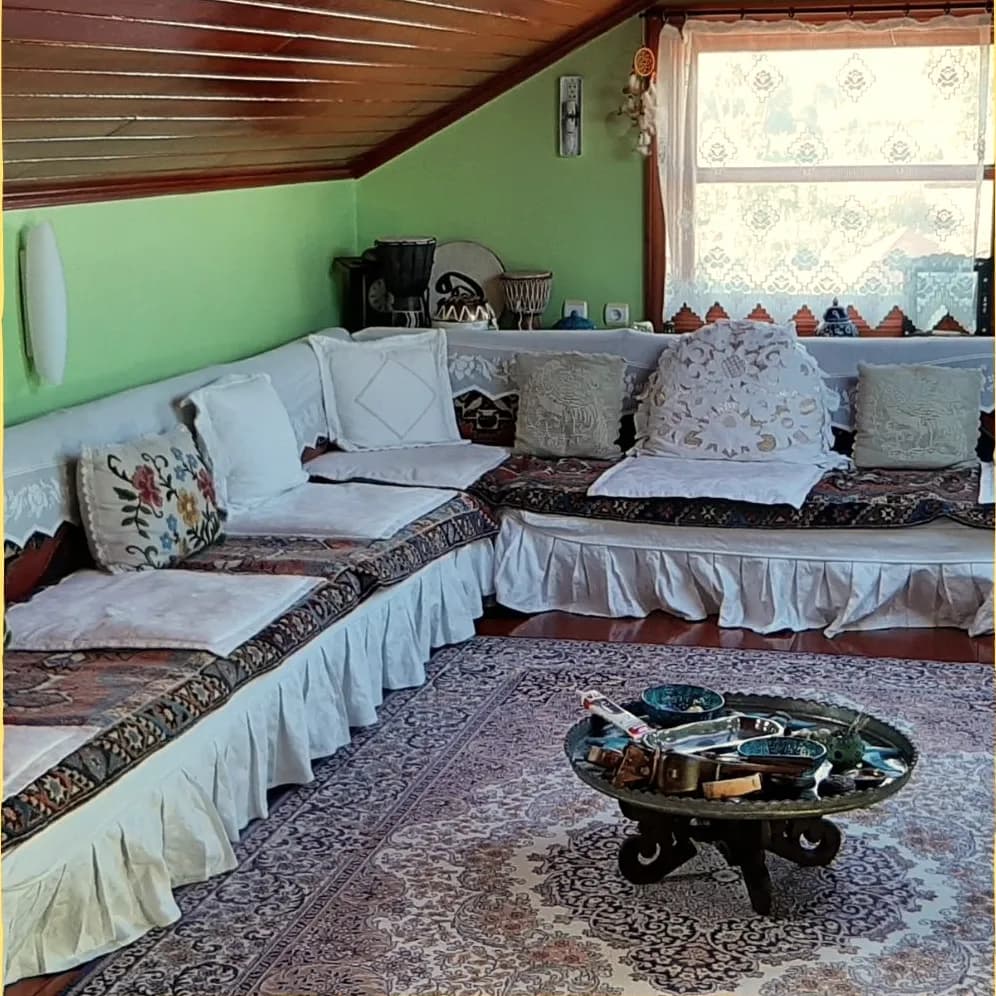
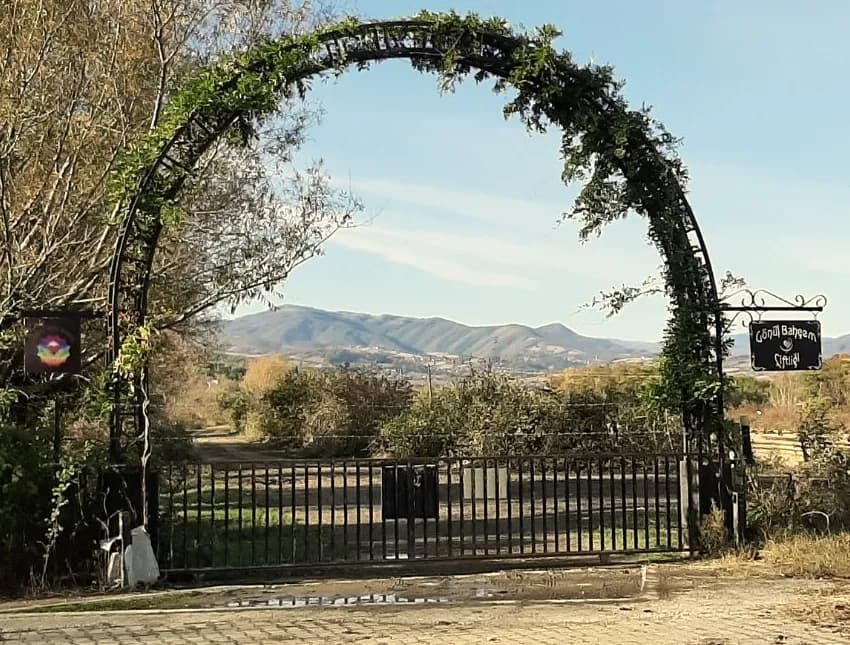
The last friend to join added a few playful details: a cushioned Eastern-style corner, a fireplace and a window in the roof to watch the stars. The next morning they went to see a farm for sale nearby. At the end of a tree-lined village road, a great garden gate seemed to say “welcome”, and Pamuk, the farm dog, came to greet them. Inside were the warmth of a fireplace and a library; upstairs, a furnished sitting corner and a skylight open to the sky, just like the place they had imagined the night before.

They spoke with the farm's owner, Erol Bey. He handed the farm over to them, leaving everything as it was apart from a few personal belongings. A dream shared over an evening's conversation had found its home. Today that farm is still the heart of Kudret-i Nefes Akademisi.
The cushioned Eastern-style corner in the farmhouse attic, under the window that opens to the sky
To share the knowledge, learning, traditional practices and cultural values of these ancient lands with the world, for the benefit of humanity.
Kudret-i Nefes Akademisi

Founders

The three teachers who founded this school also brought the path they walked together into the book Kudret-i Nefes.

Dr. Havvanur Yılmaz Keleş

Founding teacher

Yasemin Selamoğlu Daldal

Founding teacher

Seyda Ok Aydoğan

Founding teacher

Roots

Nefes and nefs

In Arabic, nefes (breath) and nefs (the self) share a root. Sufi tradition holds this connection in view when speaking of the stages of the self.

In Anatolia, nefes is also a gift. The poetry recited in Alevi-Bektashi cem gatherings is called nefes. The reciter hears "Aşk olsun" (may there be love) and replies "Nefesiniz var olsun" (may your breath endure).

Sources (2)

Awareness in every breath

The first principle of the Khwajagan tradition is hûş der dem: remaining free from heedlessness with every breath. Kudret-i Nefes draws on this principle. Breath is not only a technique but also a way of carrying attention.

In Sufism, Hû is described as remembrance without a request. According to Najm al-Din Kubra, the sound "he" is present in every breath.

Sources (2)

Breath or wheat?

According to a story in the Vilâyetnâme, Yunus comes to Hacı Bektaş for wheat. He is offered nefes instead but chooses wheat. On his way home, he realizes his oversight. He returns and is directed to Tapduk Emre, who holds the key to nefes.

Sources (1)

What we know and what we do not

Many studies show that slow, regular breathing affects measures associated with the body's calming response, such as heart rate variability.

Research finds small to moderate effects of breathwork on stress. Some studies also suggest that regular practice, community and ritual itself may play a part.

So we do not ask you to accept a claim. We invite you to observe: do not simply believe us, look for yourself.

Sources (2)
Watercolor illustration of lungs and the bronchial tree on cream paper

Ethics and safety

Before you join

Every session begins with consent. Permission is requested each time before touch. Participants may take a break whenever they wish.

A participation form is completed beforehand. Intensive breathwork is not suitable for certain health conditions. If any apply to you, consult your physician first.

Intensive breathwork may not be suitable in these situations:

  • Pregnancy
  • Epilepsy
  • Cardiovascular disease
  • Uncontrolled high blood pressure
  • Glaucoma or retinal detachment
  • Recent surgery or fracture
  • Severe psychiatric conditions

Kudret-i Nefes practices are offered for personal awareness and wellbeing; they do not replace medical assessment or treatment.

An arched garden gate covered in vines, mountains behind it

There's a place for you at our table

If you're curious about our breathwork, we can talk together about where to begin. Write to us and share your questions. We're here to listen.